
Cracks in Walls: When to Worry
Almost every home develops cracks, and the vast majority are cosmetic. But some cracks are the first warning of structural movement, and telling the difference is what saves a small problem from becoming an expensive one. This guide explains how to read a crack, and when it is worth calling a Chartered Structural Engineer.
This guide covers what a homeowner needs to know about cracks in walls: how to tell a harmless hairline crack from a structural one, the different types and their causes, how to measure and monitor a crack, and when it is time to call an engineer rather than reach for the filler.
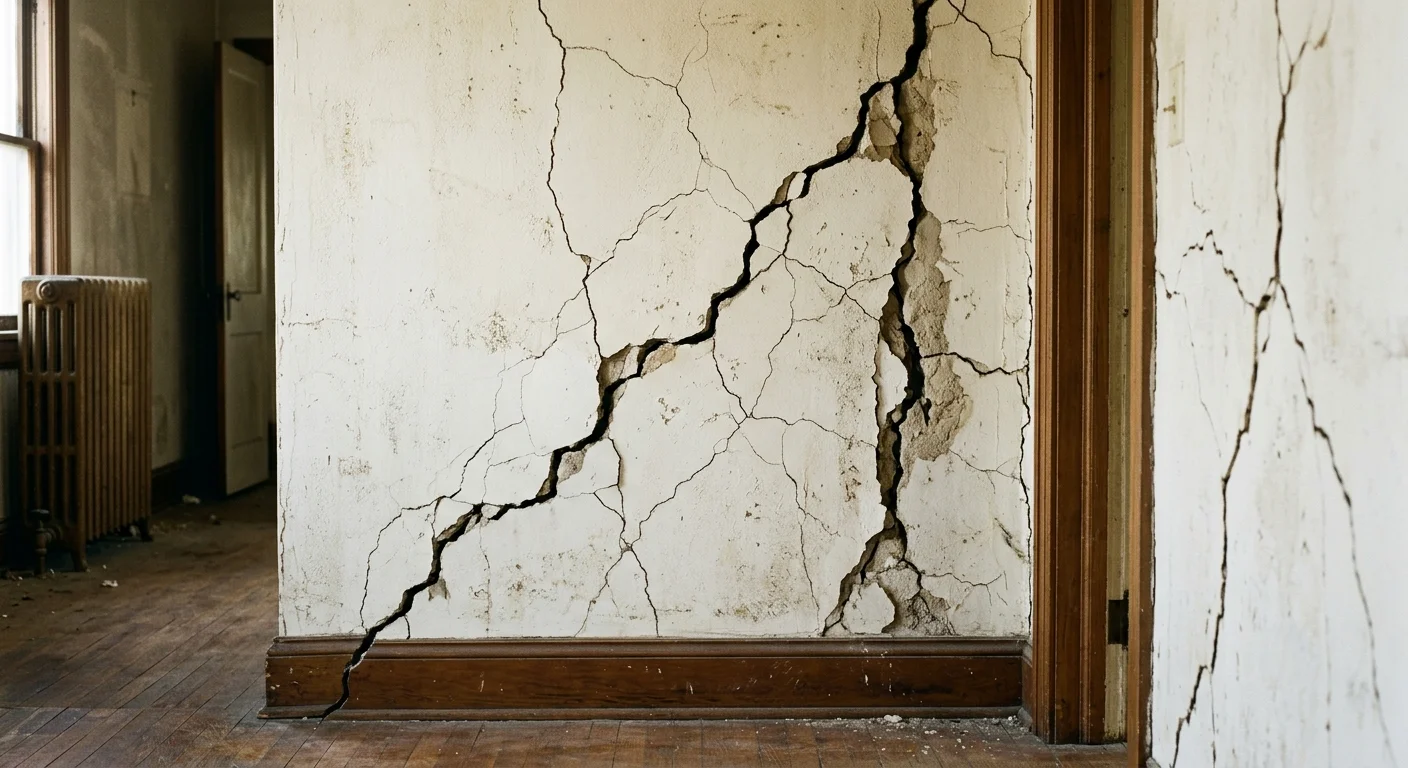
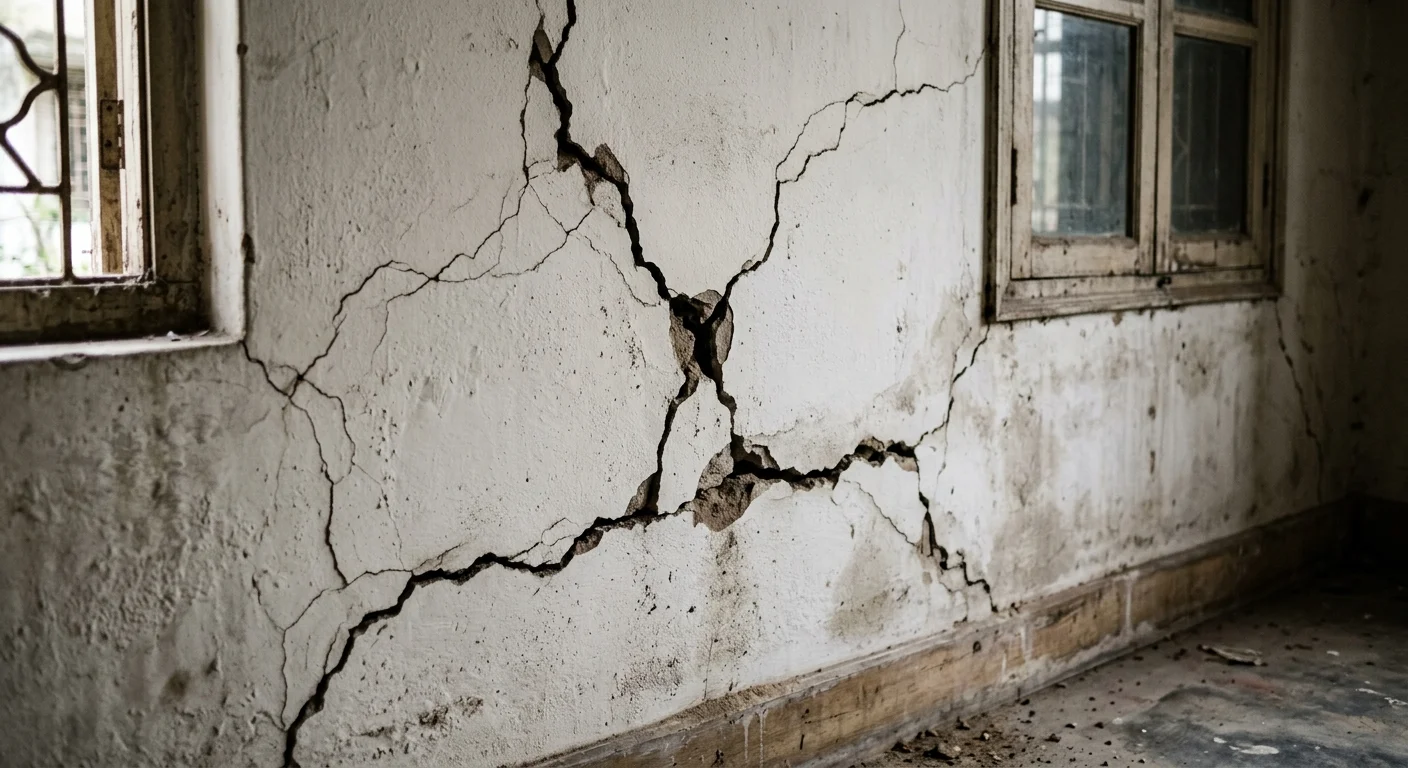
Should You Worry About That Crack?
Most cracks in walls are harmless: fine hairline cracks from normal shrinkage and seasonal movement. The ones to worry about are wider than about 5mm, diagonal, wider at one end than the other, appear suddenly, run through the brickwork or blockwork rather than just the plaster, or show inside and outside on the same line. Those can indicate structural movement such as subsidence and should be assessed by an engineer.
Usually harmless: fine hairline cracks, cracks confined to plaster or plasterboard joints, and hairline cracks that do not change over time.
Some wall cracks may be cosmetic, while wider or worsening cracks can indicate movement or structural issues. If you are concerned about the condition of your property, it is important to seek professional advice and refer to Irish construction standards for further guidance.
Types of Crack
| Type | What It Looks Like | Concern |
|---|---|---|
| Hairline / shrinkage | Fine, under 1mm, often at joints or corners | Cosmetic, normal |
| Settlement | Fine, appears early in a new build, then stops | Usually harmless once stable |
| Thermal / seasonal | Opens and closes with the weather | Generally cosmetic |
| Structural (e.g. subsidence) | Diagonal, over 5mm, wider at the top, visible inside and outside on one line | Assess urgently |
What Causes Cracks in Walls?
Cracks have many causes, from the trivial to the serious: drying out and shrinkage in new plaster or a new build, seasonal expansion and contraction, minor settlement, and, in the cases that matter, structural movement such as subsidence, heave or foundation failure. A single crack rarely tells the whole story. An engineer reads the pattern, width, direction and location together.
How to Measure and Monitor a Crack
If you are unsure, note the crack's width (a coin is a rough gauge; a €1 coin is about 2mm thick) and its length, photograph it with the date, and check again in a few weeks. A crack that is stable is far less concerning than one that is actively growing. If it is widening, diagonal, or ticking any of the boxes above, have it professionally assessed rather than simply filling it.
Why Use a Structural Engineer, Not a Builder
When a crack falls into the "worry" category, who you call matters as much as what you do. A structural engineer brings something a builder cannot: an independent, evidence-based diagnosis of the cause, before any repair is decided on.
- Accurate Assessment A Chartered Structural Engineer has the knowledge and experience to assess the severity and underlying cause of a wall crack accurately, using proper survey techniques rather than guesswork.
- Customised Solutions Not all wall cracks share the same cause or need the same fix. An engineer tailors the solution to the specific cause identified, so the repair addresses the root problem rather than masking it.
- Compliance With Building Regulations An engineer's repair design is carried out in line with current building regulations, keeping any structural work safe and legally sound.
- Preventative Guidance Beyond fixing the immediate issue, an engineer can advise on preventing future movement, such as managing nearby trees or improving drainage, which can save significant cost down the line.
- Peace of Mind A proper engineering assessment gives you confidence that the repair will actually work and that your home is safe, rather than relying on a builder's opinion of what a crack means.
Once the cause is confirmed, the engineer specifies the repair itself: reinforcing the foundation, adding structural supports, or resolving a drainage issue, and oversees the work so it is carried out correctly. For a full breakdown of the repair methods and process, see Underpinning & Subsidence Repair.
Wall Crack FAQs
-
When should I worry about a crack in my wall?
Worry if the crack is wider than about 5mm, diagonal or wider at one end, growing, running through the brickwork rather than just plaster, or visible on the same line inside and outside, especially with sticking doors or windows. These can indicate structural movement and should be assessed by an engineer. -
Are hairline cracks in walls normal?
Yes. Fine hairline cracks are extremely common and almost always cosmetic, caused by shrinkage or seasonal movement. It is the wider, diagonal, growing cracks that warrant professional attention. -
How can I tell a structural crack from a cosmetic one?
Cosmetic cracks are fine, stable and usually confined to plaster. Structural cracks tend to be wider than about 5mm, diagonal, wider at one end, growing, and run through the masonry, often appearing inside and outside on the same line. When in doubt, get an engineer's opinion. -
Do cracks in walls mean subsidence?
Not usually; most cracks are harmless. But diagonal cracks wider at the top, near doors and windows and visible inside and out, can be a sign of subsidence. An engineering assessment confirms whether structural movement is the cause.
Get a Crack Professionally Assessed
Have a crack in your wall or signs of subsidence? Banrach Consulting Engineers are Chartered Structural Engineers based in Dublin, specialising in subsidence and structural crack assessment.